Find the device for your routine.
Explore light devices, heating, and massage options. Compare each product’s functions and instructions before choosing.
Understand the differences before you choose.
Different light technologies
LED, laser, and intense pulsed light (IPL) describe different light sources. Their settings and intended uses are specific to each device.
Different device functions
The catalog includes light devices, a heating knee massager, and a multifunction massager with EMS and RF. These products do not all work in the same way.
Heat depends on the device
Some products include heating functions. Check the individual product details and manufacturer instructions rather than assuming every device is light-only or non-thermal.
Read wavelengths in context.
A wavelength is one part of a light device’s specification. It does not establish the output, session schedule, or results of a particular product.
660 nm describes visible red light. Check the individual device specifications; this number alone does not demonstrate a skincare result.
850 nm describes near-infrared light. Do not assume every product in this category uses this wavelength or has the same intended use.
What to check for each device.
Start with the product’s functions, intended use, and supplied instructions. General research is not a promise of individual results.
Research and product evidence
Research about a technology does not establish results for every device using it. We do not present general light-therapy research as clinical testing of these products.
Intended area of use
Compare the face, scalp, and body devices by their intended area of use. Follow the instructions supplied with your specific model.
Heating functions
The knee massager includes heating, and the multifunction massager lists a hot-compress function. Review the controls and warnings in the supplied manual.
Session settings
There is no universal session duration or frequency across this range. Use the schedule specified in the manufacturer instructions for your model.
Features and specifications
Compare the listed functions, power supply, and form factor. Contact us before ordering if you need a specification or manual that is not shown.
Topicals and device use
Do not assume a skincare product is compatible with a device because both are sold here. Check both sets of instructions before combining them.
Compare the devices.
Different functions and intended uses. Read the details for the model you are considering.
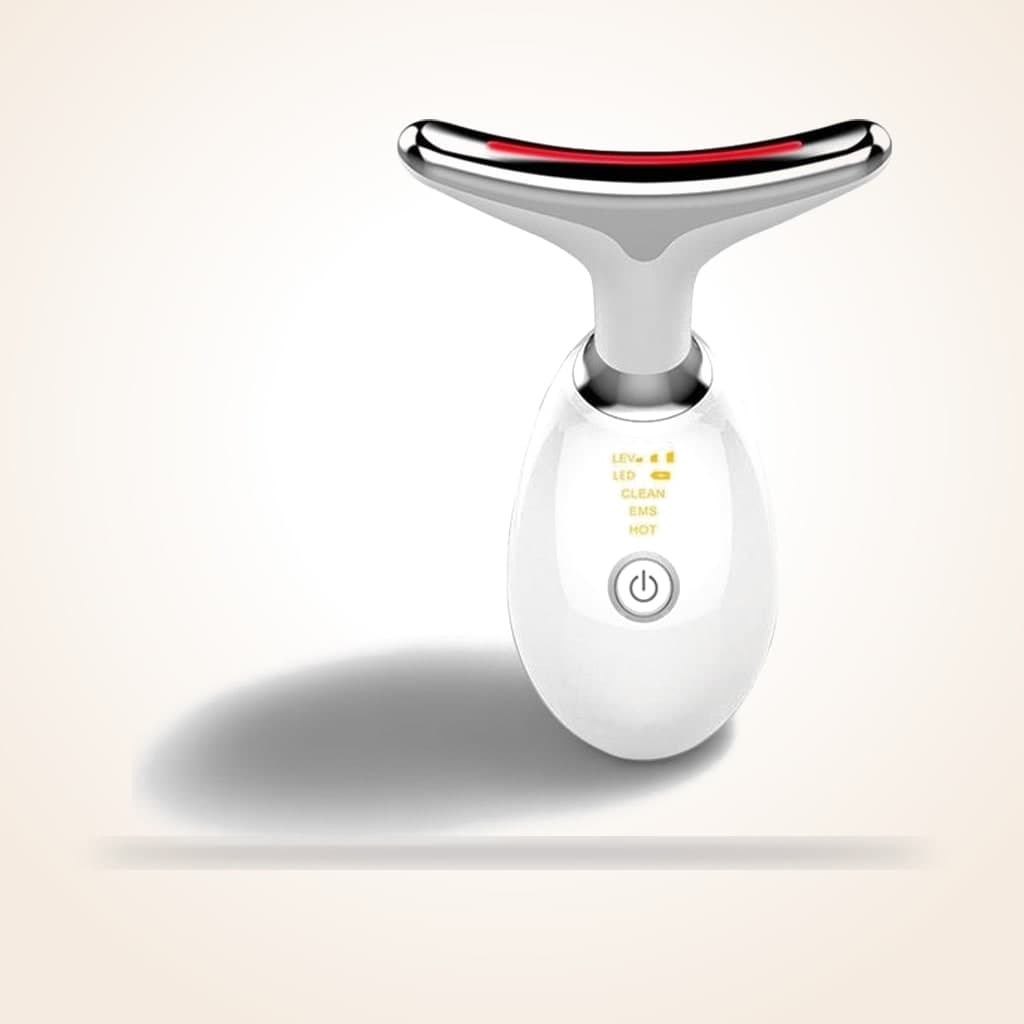
IPL + Multi-Color LED Light Device — Face & Neck
Handheld IPL and multi-color LED device for face and neck care.
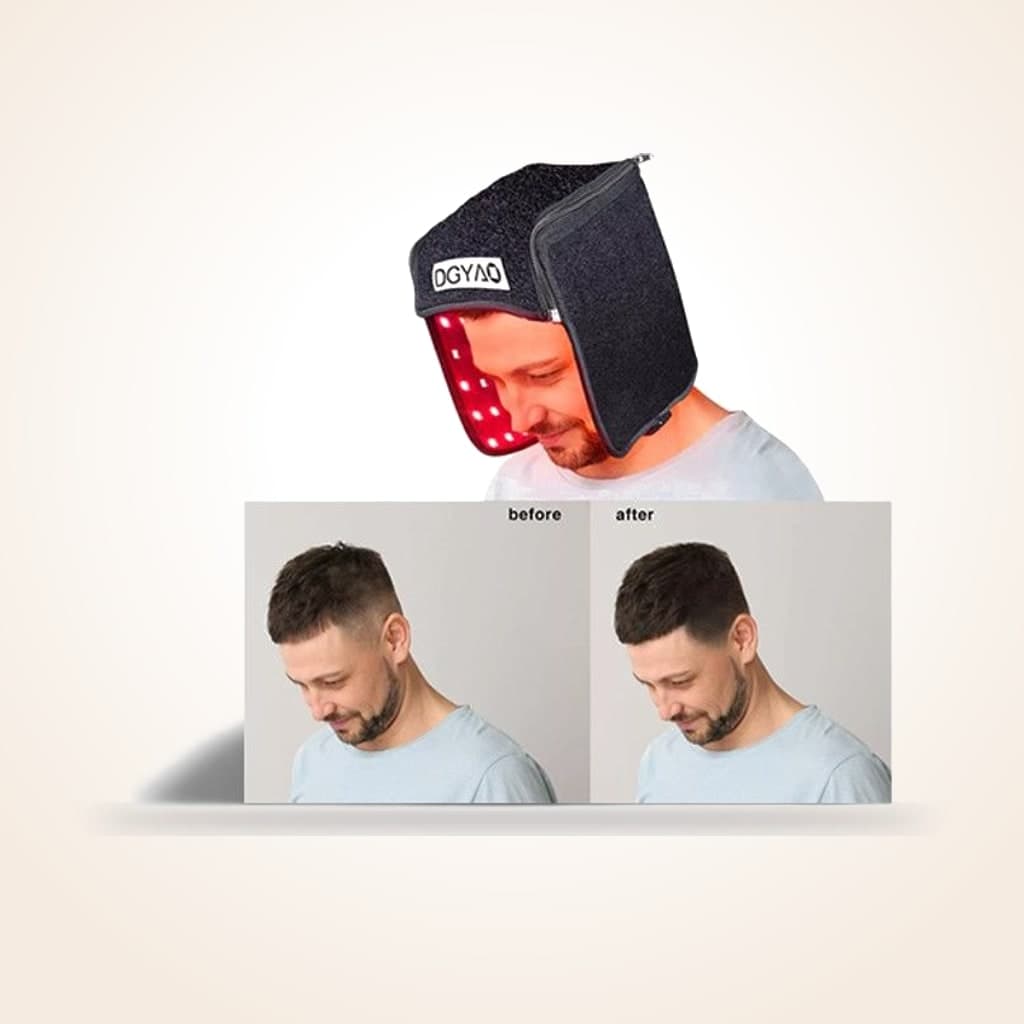
Red Light Therapy Laser Helmet
Hands-free red light (650–670 nm) + near-infrared (880 nm) helmet for at-home scalp care.
LED Light Therapy Face Mask — 850 nm + 660 nm
Hands-free silicone face mask with red and near-infrared LEDs for at-home skincare.
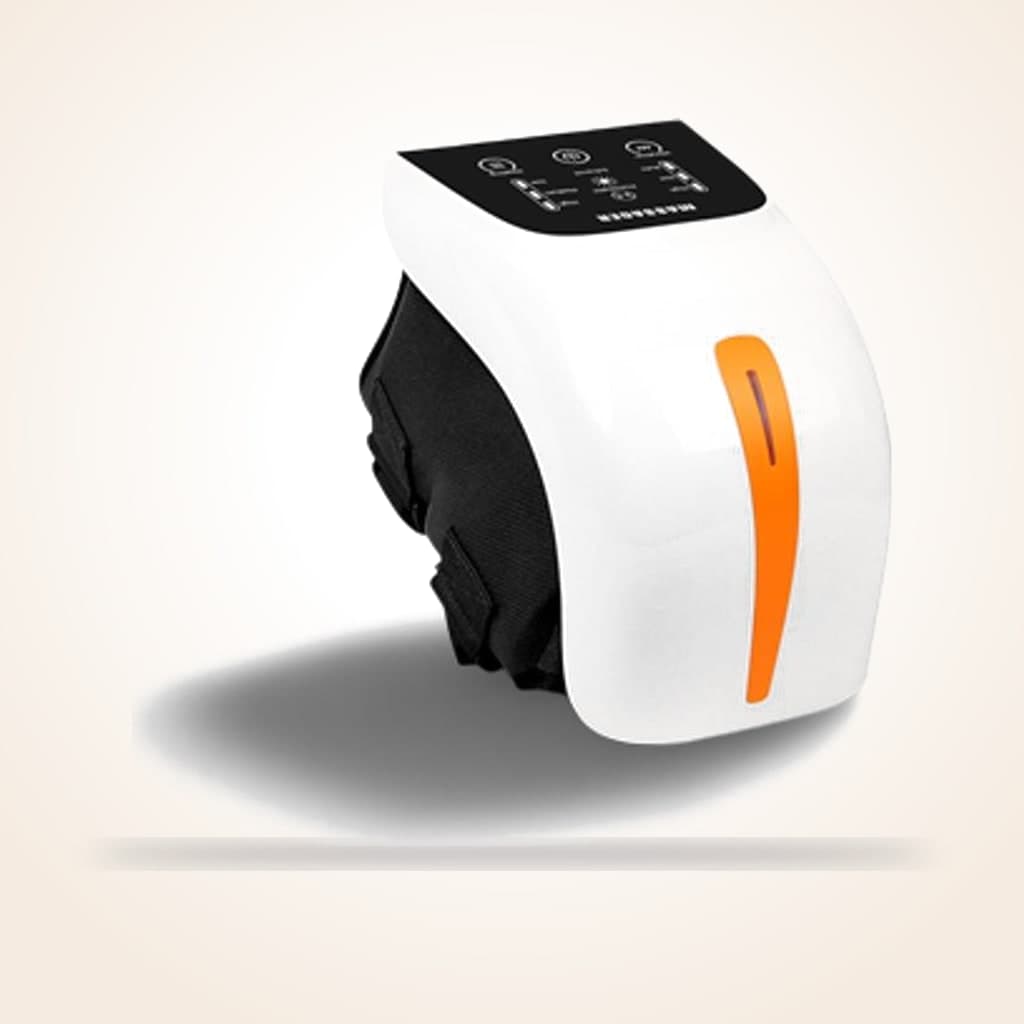
LCD Touch Screen Cordless Infrared Heating Knee Massager
Cordless knee massager with heating and vibration functions.
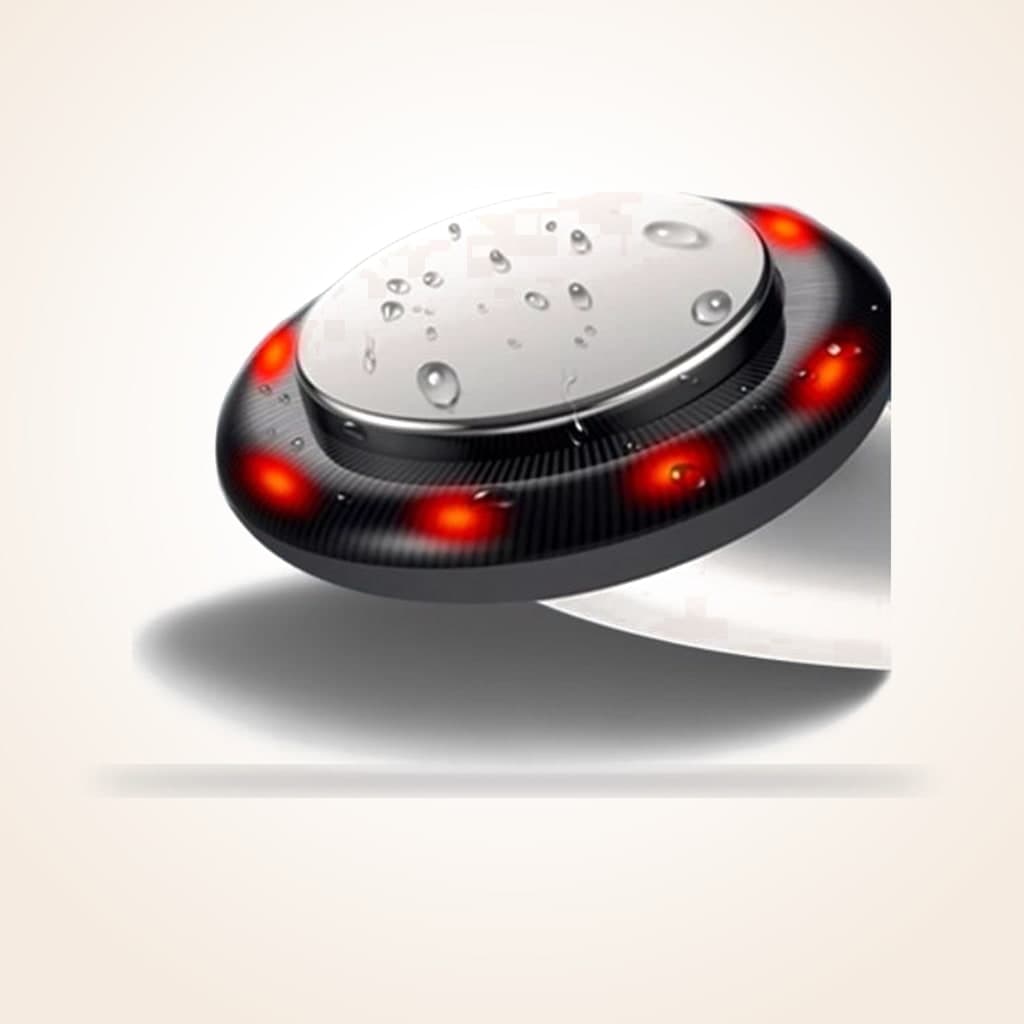
6-in-1 Multifunctional Massager with EMS & Infrared Therapy
Multifunction body massager with EMS, RF, infrared, and heating functions.
Explore skincare and device care.
Our skincare and device ranges have separate instructions. Follow each product’s directions and confirm compatibility before using a topical with a device.